Kimchi – Korea’s Fermented Soul Food
Kimchi – Korea’s Fermented Soul Food
Kimchi – Korea’s Fermented Soul Food
Kimchi – Korea’s Fermented Soul Food
Kimchi – Korea’s Fermented Soul Food
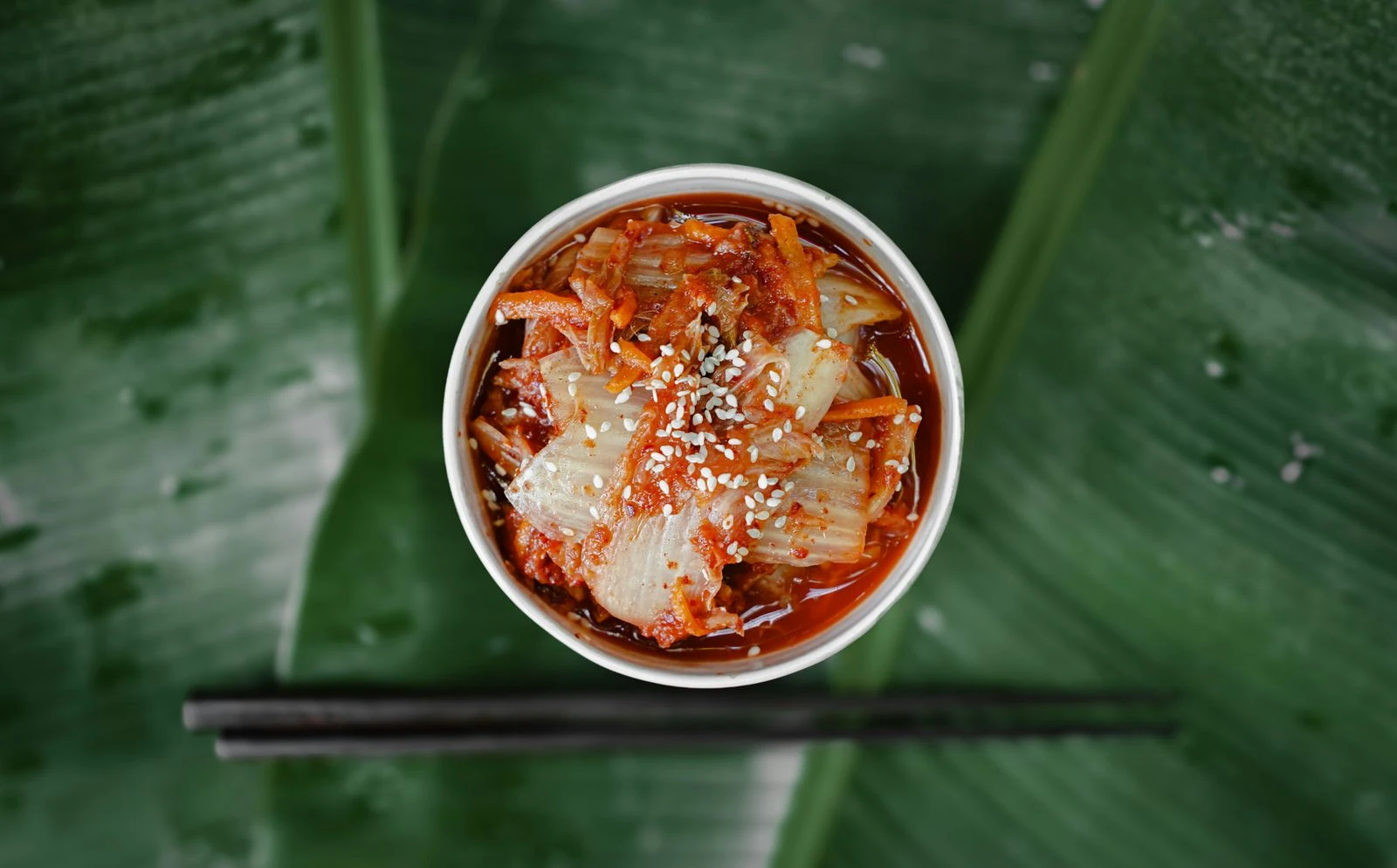
When one thinks of Korean cuisine, the first word that often comes to mind is kimchi (김치). More than just a side dish, kimchi is the beating heart of Korean food culture—a fermented, spicy, and tangy creation that has been nourishing Koreans for centuries. It is estimated that there are over 200 varieties of kimchi, ranging from the famous napa cabbage version to radish, cucumber, mustard greens, and even seafood-based ones.
When one thinks of Korean cuisine, the first word that often comes to mind is kimchi (김치). More than just a side dish, kimchi is the beating heart of Korean food culture—a fermented, spicy, and tangy creation that has been nourishing Koreans for centuries. It is estimated that there are over 200 varieties of kimchi, ranging from the famous napa cabbage version to radish, cucumber, mustard greens, and even seafood-based ones.
When one thinks of Korean cuisine, the first word that often comes to mind is kimchi (김치). More than just a side dish, kimchi is the beating heart of Korean food culture—a fermented, spicy, and tangy creation that has been nourishing Koreans for centuries. It is estimated that there are over 200 varieties of kimchi, ranging from the famous napa cabbage version to radish, cucumber, mustard greens, and even seafood-based ones.


(4.0/5)
(4.0/5)
(4.0/5)
Price:
Price:
Price:
₹450–₹1,200 per jar
₹450–₹1,200 per jar
₹450–₹1,200 per jar
Available
Available
Available
Origins
Key Ingredients
Taste and Experience
Preparation Method
Cultural Importance
The story of kimchi stretches back more than 2,000 years, with its earliest references found in historical Korean texts. Originally, kimchi was not the fiery red dish we know today. In ancient times, it was a simple form of preserved vegetables, often pickled in brine to last through Korea’s harsh winters. The introduction of chili peppers to Korea in the early 17th century, after being brought from the Americas via trade routes, transformed kimchi forever. This addition of chili created the now-classic spicy red kimchi that is most commonly associated with Korea today. Over centuries, families developed their own recipes, passing them down through generations. The method of communal preparation, known as Kimjang (김장), became a deeply significant cultural practice. Every late autumn, families and neighbors would gather to prepare massive quantities of kimchi to last through the winter months. Kimjang was so central to Korean life that in 2013, it was inscribed on UNESCO’s list of Intangible Cultural Heritage of Humanity. Kimchi also carries historical symbolism. During times of war and hardship, it was a cheap, nutritious food that kept people alive. During periods of cultural exchange, it became a culinary ambassador, allowing foreigners to experience a taste of Korean heritage. Today, whether served at a street-side eatery in Seoul or a fine-dining restaurant in New York, kimchi continues to tell the story of Korea’s survival, creativity, and adaptability.
Origins
Key Ingredients
Taste and Experience
Preparation Method
Cultural Importance
The story of kimchi stretches back more than 2,000 years, with its earliest references found in historical Korean texts. Originally, kimchi was not the fiery red dish we know today. In ancient times, it was a simple form of preserved vegetables, often pickled in brine to last through Korea’s harsh winters. The introduction of chili peppers to Korea in the early 17th century, after being brought from the Americas via trade routes, transformed kimchi forever. This addition of chili created the now-classic spicy red kimchi that is most commonly associated with Korea today. Over centuries, families developed their own recipes, passing them down through generations. The method of communal preparation, known as Kimjang (김장), became a deeply significant cultural practice. Every late autumn, families and neighbors would gather to prepare massive quantities of kimchi to last through the winter months. Kimjang was so central to Korean life that in 2013, it was inscribed on UNESCO’s list of Intangible Cultural Heritage of Humanity. Kimchi also carries historical symbolism. During times of war and hardship, it was a cheap, nutritious food that kept people alive. During periods of cultural exchange, it became a culinary ambassador, allowing foreigners to experience a taste of Korean heritage. Today, whether served at a street-side eatery in Seoul or a fine-dining restaurant in New York, kimchi continues to tell the story of Korea’s survival, creativity, and adaptability.
Origins
Key Ingredients
Taste and Experience
Preparation Method
Cultural Importance
The story of kimchi stretches back more than 2,000 years, with its earliest references found in historical Korean texts. Originally, kimchi was not the fiery red dish we know today. In ancient times, it was a simple form of preserved vegetables, often pickled in brine to last through Korea’s harsh winters. The introduction of chili peppers to Korea in the early 17th century, after being brought from the Americas via trade routes, transformed kimchi forever. This addition of chili created the now-classic spicy red kimchi that is most commonly associated with Korea today. Over centuries, families developed their own recipes, passing them down through generations. The method of communal preparation, known as Kimjang (김장), became a deeply significant cultural practice. Every late autumn, families and neighbors would gather to prepare massive quantities of kimchi to last through the winter months. Kimjang was so central to Korean life that in 2013, it was inscribed on UNESCO’s list of Intangible Cultural Heritage of Humanity. Kimchi also carries historical symbolism. During times of war and hardship, it was a cheap, nutritious food that kept people alive. During periods of cultural exchange, it became a culinary ambassador, allowing foreigners to experience a taste of Korean heritage. Today, whether served at a street-side eatery in Seoul or a fine-dining restaurant in New York, kimchi continues to tell the story of Korea’s survival, creativity, and adaptability.

Planning a visit to Spice Platter is easy and hassle-free. We’re proudly located on Silk St., Barbican, London, right in the heart of the city, with convenient parking nearby and excellent public transport connections.
Quick Links


Follow Us


Planning a visit to Spice Platter is easy and hassle-free. We’re proudly located on Silk St., Barbican, London, right in the heart of the city, with convenient parking nearby and excellent public transport connections.
Quick Links
Follow Us
Planning a visit to Spice Platter is easy and hassle-free. We’re proudly located on Silk St., Barbican, London, right in the heart of the city, with convenient parking nearby and excellent public transport connections.
Quick Links
Follow Us
© 2025 Bennie Restuarant & Bar. Technology by Protocloud Technologies Pvt. Ltd.
© 2025 Bennie Restuarant & Bar. Technology by Protocloud Technologies Pvt. Ltd.
© 2025 Bennie Restuarant & Bar. Technology by Protocloud Technologies Pvt. Ltd.