Bulgogi – Korea’s Sweet-Savory Grilled Beef
Bulgogi – Korea’s Sweet-Savory Grilled Beef
Bulgogi – Korea’s Sweet-Savory Grilled Beef
Bulgogi – Korea’s Sweet-Savory Grilled Beef
Bulgogi – Korea’s Sweet-Savory Grilled Beef
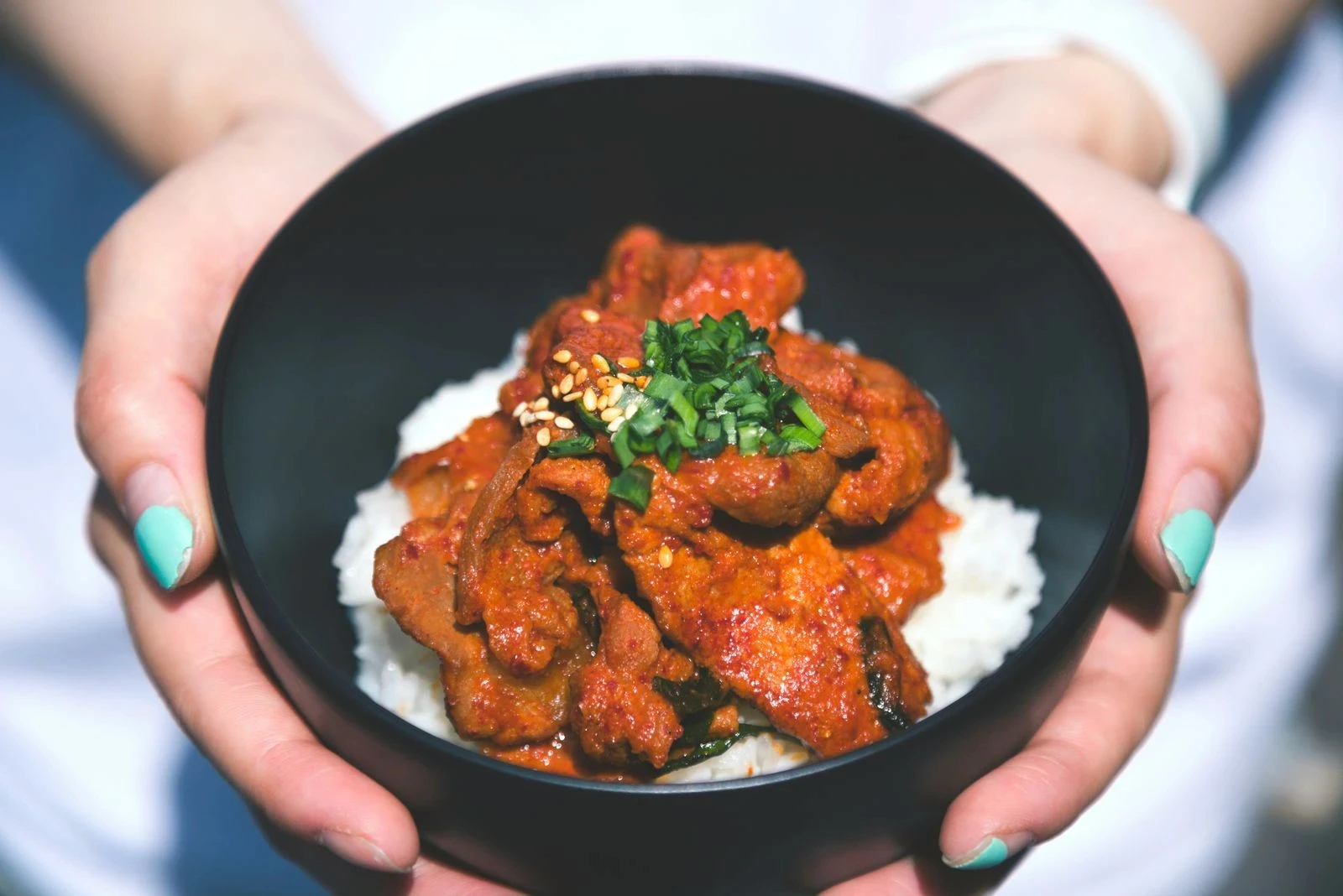
Bulgogi (불고기), meaning “fire meat,” is one of Korea’s most beloved dishes, both at home and abroad. It consists of thinly sliced beef marinated in a mixture of soy sauce, sugar, sesame oil, garlic, and pear juice, then grilled or stir-fried until tender and caramelized.
Bulgogi (불고기), meaning “fire meat,” is one of Korea’s most beloved dishes, both at home and abroad. It consists of thinly sliced beef marinated in a mixture of soy sauce, sugar, sesame oil, garlic, and pear juice, then grilled or stir-fried until tender and caramelized.
Bulgogi (불고기), meaning “fire meat,” is one of Korea’s most beloved dishes, both at home and abroad. It consists of thinly sliced beef marinated in a mixture of soy sauce, sugar, sesame oil, garlic, and pear juice, then grilled or stir-fried until tender and caramelized.


(4.0/5)
(4.0/5)
(4.0/5)
Price:
Price:
Price:
₹800–₹1,800
₹800–₹1,800
₹800–₹1,800
Available
Available
Available
Origins
Key Ingredients
Taste and Experience
Preparation Method
Cultural Importance
Bulgogi traces its roots back nearly 2,000 years to the Goguryeo Dynasty, where it was known as “maekjeok” (skewered beef grilled over fire). Over time, the dish evolved through the Joseon Dynasty into marinated, pan-grilled beef enjoyed by the upper class. Its modern version became popular in the 20th century when grilling technology became more accessible. Today, Bulgogi is not only a staple of Korean households but also a global symbol of Korean barbecue.
Origins
Key Ingredients
Taste and Experience
Preparation Method
Cultural Importance
Bulgogi traces its roots back nearly 2,000 years to the Goguryeo Dynasty, where it was known as “maekjeok” (skewered beef grilled over fire). Over time, the dish evolved through the Joseon Dynasty into marinated, pan-grilled beef enjoyed by the upper class. Its modern version became popular in the 20th century when grilling technology became more accessible. Today, Bulgogi is not only a staple of Korean households but also a global symbol of Korean barbecue.
Origins
Key Ingredients
Taste and Experience
Preparation Method
Cultural Importance
Bulgogi traces its roots back nearly 2,000 years to the Goguryeo Dynasty, where it was known as “maekjeok” (skewered beef grilled over fire). Over time, the dish evolved through the Joseon Dynasty into marinated, pan-grilled beef enjoyed by the upper class. Its modern version became popular in the 20th century when grilling technology became more accessible. Today, Bulgogi is not only a staple of Korean households but also a global symbol of Korean barbecue.

Planning a visit to Spice Platter is easy and hassle-free. We’re proudly located on Silk St., Barbican, London, right in the heart of the city, with convenient parking nearby and excellent public transport connections.
Quick Links


Follow Us


Planning a visit to Spice Platter is easy and hassle-free. We’re proudly located on Silk St., Barbican, London, right in the heart of the city, with convenient parking nearby and excellent public transport connections.
Quick Links
Follow Us
Planning a visit to Spice Platter is easy and hassle-free. We’re proudly located on Silk St., Barbican, London, right in the heart of the city, with convenient parking nearby and excellent public transport connections.
Quick Links
Follow Us
© 2025 Bennie Restuarant & Bar. Technology by Protocloud Technologies Pvt. Ltd.
© 2025 Bennie Restuarant & Bar. Technology by Protocloud Technologies Pvt. Ltd.
© 2025 Bennie Restuarant & Bar. Technology by Protocloud Technologies Pvt. Ltd.