Tempura (天ぷら) – Crispy Japanese Delight
Tempura (天ぷら) – Crispy Japanese Delight
Tempura (天ぷら) – Crispy Japanese Delight
Tempura (天ぷら) – Crispy Japanese Delight
Tempura (天ぷら) – Crispy Japanese Delight
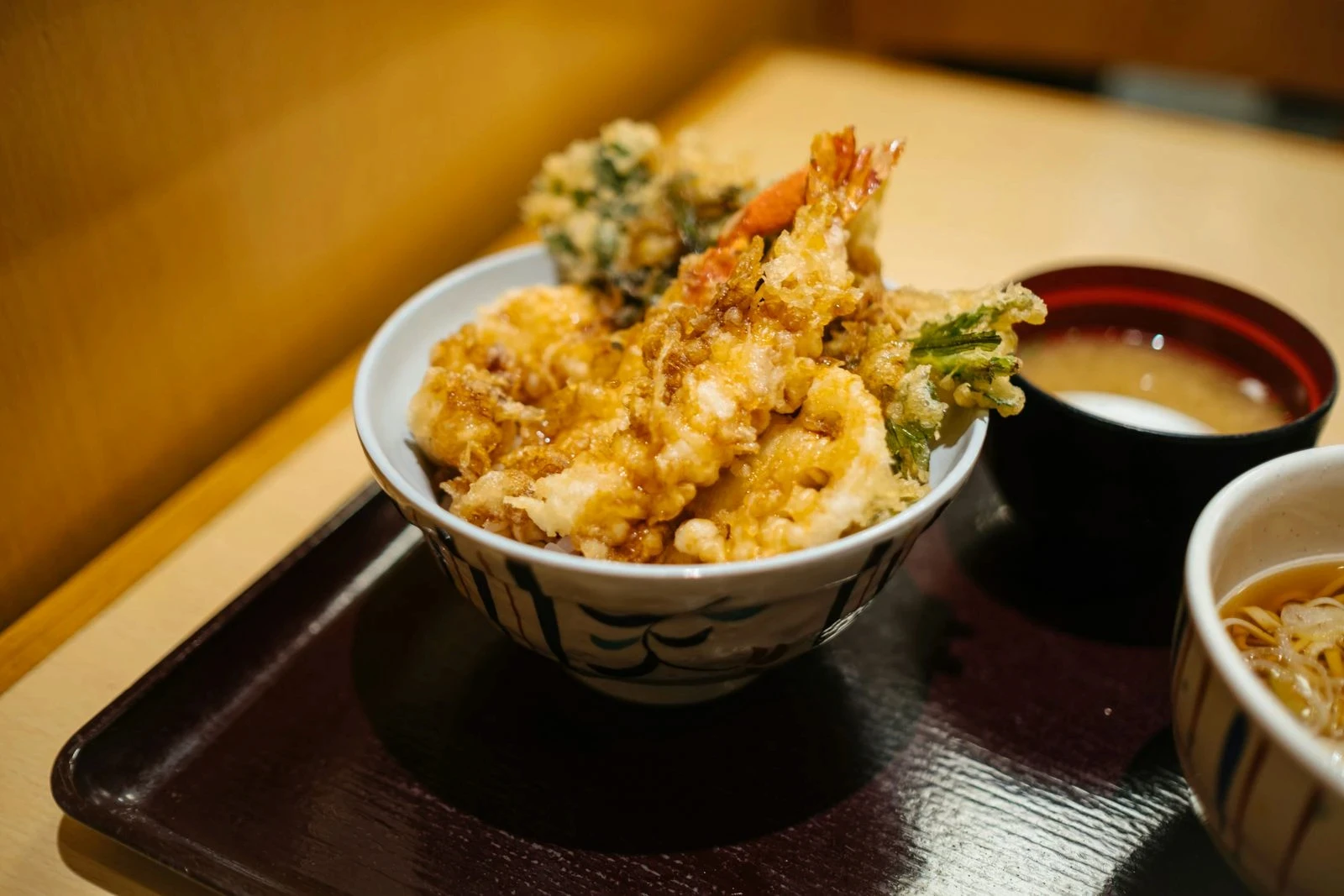
Tempura is one of Japan’s most beloved fried dishes, consisting of seafood, vegetables, or even mushrooms coated in a light batter and deep-fried to perfection. Unlike heavy Western fried foods, tempura is airy, crisp, and delicate, making it a favorite both in Japan and abroad.
Tempura is one of Japan’s most beloved fried dishes, consisting of seafood, vegetables, or even mushrooms coated in a light batter and deep-fried to perfection. Unlike heavy Western fried foods, tempura is airy, crisp, and delicate, making it a favorite both in Japan and abroad.
Tempura is one of Japan’s most beloved fried dishes, consisting of seafood, vegetables, or even mushrooms coated in a light batter and deep-fried to perfection. Unlike heavy Western fried foods, tempura is airy, crisp, and delicate, making it a favorite both in Japan and abroad.


(4.0/5)
(4.0/5)
(4.0/5)
Price:
Price:
Price:
₹500–₹1,200
₹500–₹1,200
₹500–₹1,200
Available
Available
Available
Origins
Key Ingredients
Taste and Experience
Preparation Method
Cultural Importance
Tempura was introduced to Japan by Portuguese missionaries in the 16th century. The word “tempura” comes from the Latin tempora, meaning "time of fasting," as missionaries would prepare battered and fried foods during fasting periods. The Japanese adapted the method and perfected it, transforming tempura into a distinct culinary art.
Origins
Key Ingredients
Taste and Experience
Preparation Method
Cultural Importance
Tempura was introduced to Japan by Portuguese missionaries in the 16th century. The word “tempura” comes from the Latin tempora, meaning "time of fasting," as missionaries would prepare battered and fried foods during fasting periods. The Japanese adapted the method and perfected it, transforming tempura into a distinct culinary art.
Origins
Key Ingredients
Taste and Experience
Preparation Method
Cultural Importance
Tempura was introduced to Japan by Portuguese missionaries in the 16th century. The word “tempura” comes from the Latin tempora, meaning "time of fasting," as missionaries would prepare battered and fried foods during fasting periods. The Japanese adapted the method and perfected it, transforming tempura into a distinct culinary art.

Planning a visit to Spice Platter is easy and hassle-free. We’re proudly located on Silk St., Barbican, London, right in the heart of the city, with convenient parking nearby and excellent public transport connections.
Quick Links


Follow Us


Planning a visit to Spice Platter is easy and hassle-free. We’re proudly located on Silk St., Barbican, London, right in the heart of the city, with convenient parking nearby and excellent public transport connections.
Quick Links
Follow Us
Planning a visit to Spice Platter is easy and hassle-free. We’re proudly located on Silk St., Barbican, London, right in the heart of the city, with convenient parking nearby and excellent public transport connections.
Quick Links
Follow Us
© 2025 Bennie Restuarant & Bar. Technology by Protocloud Technologies Pvt. Ltd.
© 2025 Bennie Restuarant & Bar. Technology by Protocloud Technologies Pvt. Ltd.
© 2025 Bennie Restuarant & Bar. Technology by Protocloud Technologies Pvt. Ltd.