Sushi
Sushi
Sushi
Sushi
Sushi
Sushi is perhaps the most famous Japanese dish worldwide, celebrated for its elegance, simplicity, and delicate flavors. It typically consists of vinegared rice paired with raw or cooked seafood, vegetables, or egg. Sushi is not just food but also an art form, with its presentation being as important as its taste.
Sushi is perhaps the most famous Japanese dish worldwide, celebrated for its elegance, simplicity, and delicate flavors. It typically consists of vinegared rice paired with raw or cooked seafood, vegetables, or egg. Sushi is not just food but also an art form, with its presentation being as important as its taste.
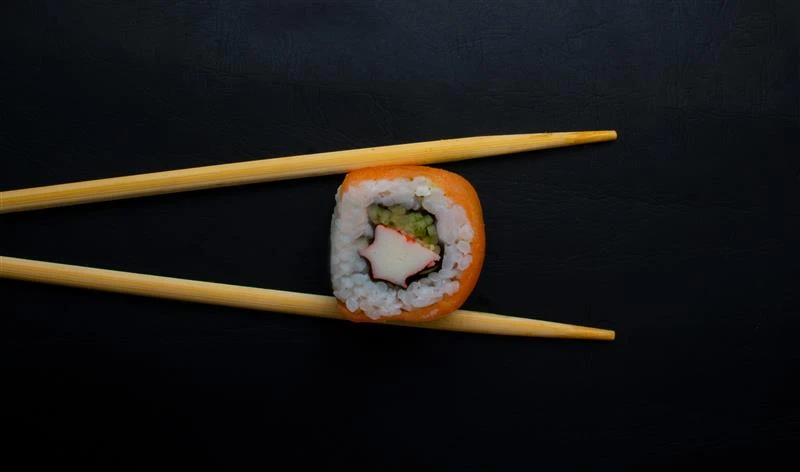
Sushi is perhaps the most famous Japanese dish worldwide, celebrated for its elegance, simplicity, and delicate flavors. It typically consists of vinegared rice paired with raw or cooked seafood, vegetables, or egg. Sushi is not just food but also an art form, with its presentation being as important as its taste.


(4.0/5)
(4.0/5)
(4.0/5)
Price:
Price:
Price:
₹6,000–₹18,000
₹6,000–₹18,000
₹6,000–₹18,000
Available
Available
Available
Origins
Key Ingredients
Taste and Experience
Preparation Method
Cultural Importance
The origins of sushi trace back to Southeast Asia, where fermented fish and rice were preserved together. This method spread to Japan and evolved into narezushi, where fish was stored in rice for months to ferment. Over time, Japanese chefs refined the method into modern sushi, where fresh fish is served with seasoned rice instead of fermented. By the Edo period (1603–1868), nigiri sushi—hand-pressed sushi with fresh fish—became popular in Tokyo, laying the foundation for what we know today.
Origins
Key Ingredients
Taste and Experience
Preparation Method
Cultural Importance
The origins of sushi trace back to Southeast Asia, where fermented fish and rice were preserved together. This method spread to Japan and evolved into narezushi, where fish was stored in rice for months to ferment. Over time, Japanese chefs refined the method into modern sushi, where fresh fish is served with seasoned rice instead of fermented. By the Edo period (1603–1868), nigiri sushi—hand-pressed sushi with fresh fish—became popular in Tokyo, laying the foundation for what we know today.
Origins
Key Ingredients
Taste and Experience
Preparation Method
Cultural Importance
The origins of sushi trace back to Southeast Asia, where fermented fish and rice were preserved together. This method spread to Japan and evolved into narezushi, where fish was stored in rice for months to ferment. Over time, Japanese chefs refined the method into modern sushi, where fresh fish is served with seasoned rice instead of fermented. By the Edo period (1603–1868), nigiri sushi—hand-pressed sushi with fresh fish—became popular in Tokyo, laying the foundation for what we know today.

Planning a visit to Spice Platter is easy and hassle-free. We’re proudly located on Silk St., Barbican, London, right in the heart of the city, with convenient parking nearby and excellent public transport connections.
Quick Links


Follow Us


Planning a visit to Spice Platter is easy and hassle-free. We’re proudly located on Silk St., Barbican, London, right in the heart of the city, with convenient parking nearby and excellent public transport connections.
Quick Links
Follow Us
Planning a visit to Spice Platter is easy and hassle-free. We’re proudly located on Silk St., Barbican, London, right in the heart of the city, with convenient parking nearby and excellent public transport connections.
Quick Links
Follow Us
© 2025 Bennie Restuarant & Bar. Technology by Protocloud Technologies Pvt. Ltd.
© 2025 Bennie Restuarant & Bar. Technology by Protocloud Technologies Pvt. Ltd.
© 2025 Bennie Restuarant & Bar. Technology by Protocloud Technologies Pvt. Ltd.