Okonomiyaki (お好み焼き) – Japan’s Savory Pancake
Okonomiyaki (お好み焼き) – Japan’s Savory Pancake
Okonomiyaki (お好み焼き) – Japan’s Savory Pancake
Okonomiyaki (お好み焼き) – Japan’s Savory Pancake
Okonomiyaki (お好み焼き) – Japan’s Savory Pancake
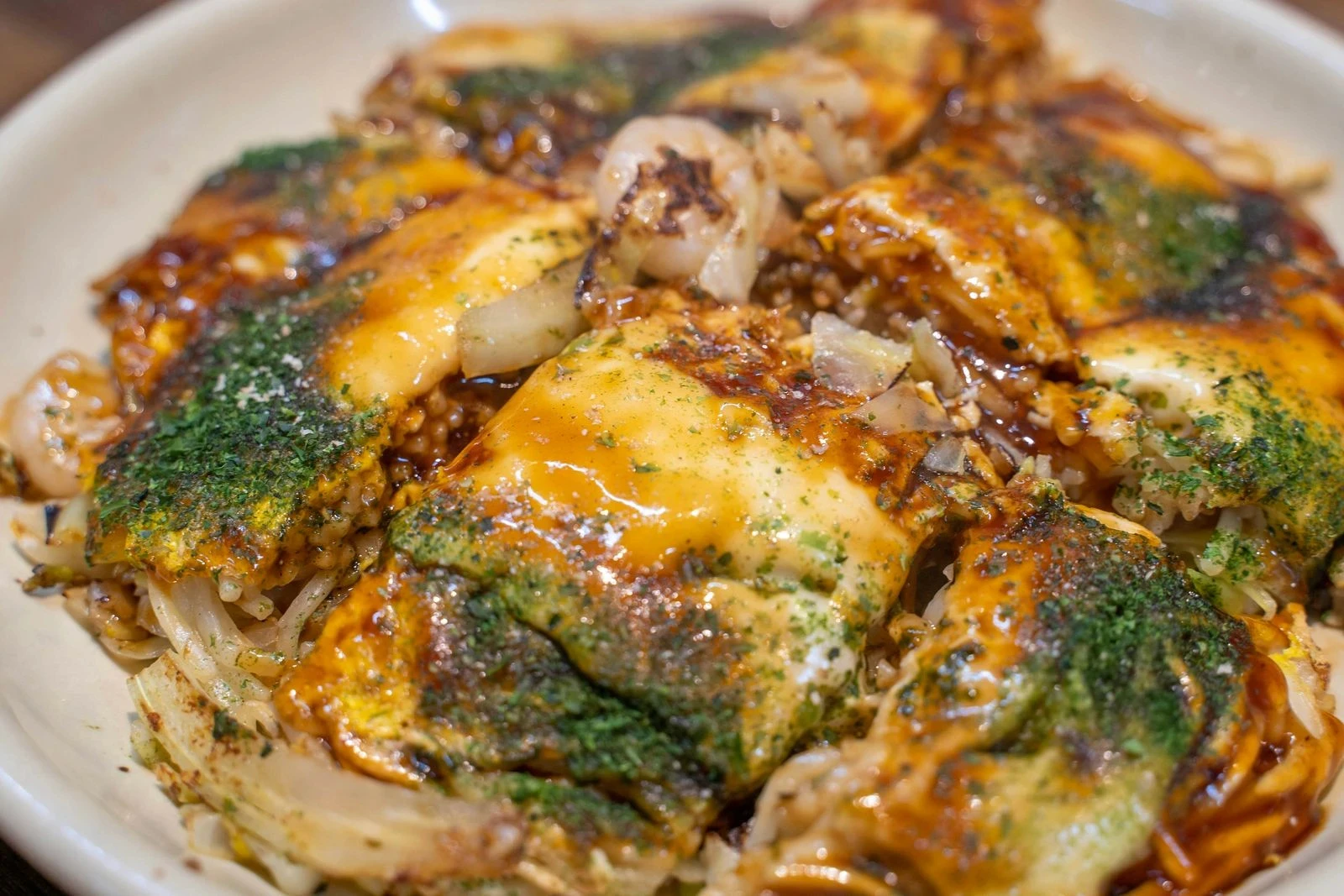
Okonomiyaki (お好み焼き), often referred to as the "Japanese savory pancake," is one of Japan’s most beloved comfort foods, enjoyed across households, street stalls, and restaurants. The name itself translates to “grilled as you like it,” perfectly capturing the customizable nature of this dish. Unlike sweet pancakes, Okonomiyaki is a hearty, savory creation made by mixing flour, grated yam, eggs, shredded cabbage, and other ingredients like meat, seafood, or cheese into a batter, which is then cooked on a hot griddle.
Okonomiyaki (お好み焼き), often referred to as the "Japanese savory pancake," is one of Japan’s most beloved comfort foods, enjoyed across households, street stalls, and restaurants. The name itself translates to “grilled as you like it,” perfectly capturing the customizable nature of this dish. Unlike sweet pancakes, Okonomiyaki is a hearty, savory creation made by mixing flour, grated yam, eggs, shredded cabbage, and other ingredients like meat, seafood, or cheese into a batter, which is then cooked on a hot griddle.
Okonomiyaki (お好み焼き), often referred to as the "Japanese savory pancake," is one of Japan’s most beloved comfort foods, enjoyed across households, street stalls, and restaurants. The name itself translates to “grilled as you like it,” perfectly capturing the customizable nature of this dish. Unlike sweet pancakes, Okonomiyaki is a hearty, savory creation made by mixing flour, grated yam, eggs, shredded cabbage, and other ingredients like meat, seafood, or cheese into a batter, which is then cooked on a hot griddle.


(4.0/5)
(4.0/5)
(4.0/5)
Price:
Price:
Price:
₹600–₹1200
₹600–₹1200
₹600–₹1200
Available
Available
Available
Origins
Key Ingredients
Taste and Experience
Preparation Method
Cultural Importance
The origins of Okonomiyaki trace back to Japan’s Edo period (1603–1868), when a similar dish called funoyaki was eaten, consisting of thin crepe-like batter with simple toppings. Over time, this evolved into issen yoshoku in pre-World War II Japan, a cheap snack made from flour and water that was grilled and topped with simple condiments. During the difficult post-war years, when rice was scarce, wheat flour became a staple, and Okonomiyaki gained popularity as an affordable, filling dish that could incorporate whatever ingredients were available—hence the name “Okonomi,” meaning “as you like.” Regional variations soon emerged, with Osaka becoming known as the birthplace of the “classic” style, where ingredients are mixed directly into the batter before cooking. Hiroshima, on the other hand, developed a layered version where batter, cabbage, noodles, and toppings are stacked instead of mixed. Both styles gained national fame, turning Okonomiyaki into not just street food but a symbol of resilience and creativity in Japanese cuisine. Today, it is celebrated internationally, representing Japanese culinary ingenuity and communal dining traditions.
Origins
Key Ingredients
Taste and Experience
Preparation Method
Cultural Importance
The origins of Okonomiyaki trace back to Japan’s Edo period (1603–1868), when a similar dish called funoyaki was eaten, consisting of thin crepe-like batter with simple toppings. Over time, this evolved into issen yoshoku in pre-World War II Japan, a cheap snack made from flour and water that was grilled and topped with simple condiments. During the difficult post-war years, when rice was scarce, wheat flour became a staple, and Okonomiyaki gained popularity as an affordable, filling dish that could incorporate whatever ingredients were available—hence the name “Okonomi,” meaning “as you like.” Regional variations soon emerged, with Osaka becoming known as the birthplace of the “classic” style, where ingredients are mixed directly into the batter before cooking. Hiroshima, on the other hand, developed a layered version where batter, cabbage, noodles, and toppings are stacked instead of mixed. Both styles gained national fame, turning Okonomiyaki into not just street food but a symbol of resilience and creativity in Japanese cuisine. Today, it is celebrated internationally, representing Japanese culinary ingenuity and communal dining traditions.
Origins
Key Ingredients
Taste and Experience
Preparation Method
Cultural Importance
The origins of Okonomiyaki trace back to Japan’s Edo period (1603–1868), when a similar dish called funoyaki was eaten, consisting of thin crepe-like batter with simple toppings. Over time, this evolved into issen yoshoku in pre-World War II Japan, a cheap snack made from flour and water that was grilled and topped with simple condiments. During the difficult post-war years, when rice was scarce, wheat flour became a staple, and Okonomiyaki gained popularity as an affordable, filling dish that could incorporate whatever ingredients were available—hence the name “Okonomi,” meaning “as you like.” Regional variations soon emerged, with Osaka becoming known as the birthplace of the “classic” style, where ingredients are mixed directly into the batter before cooking. Hiroshima, on the other hand, developed a layered version where batter, cabbage, noodles, and toppings are stacked instead of mixed. Both styles gained national fame, turning Okonomiyaki into not just street food but a symbol of resilience and creativity in Japanese cuisine. Today, it is celebrated internationally, representing Japanese culinary ingenuity and communal dining traditions.

Planning a visit to Spice Platter is easy and hassle-free. We’re proudly located on Silk St., Barbican, London, right in the heart of the city, with convenient parking nearby and excellent public transport connections.
Quick Links


Follow Us


Planning a visit to Spice Platter is easy and hassle-free. We’re proudly located on Silk St., Barbican, London, right in the heart of the city, with convenient parking nearby and excellent public transport connections.
Quick Links
Follow Us
Planning a visit to Spice Platter is easy and hassle-free. We’re proudly located on Silk St., Barbican, London, right in the heart of the city, with convenient parking nearby and excellent public transport connections.
Quick Links
Follow Us
© 2025 Bennie Restuarant & Bar. Technology by Protocloud Technologies Pvt. Ltd.
© 2025 Bennie Restuarant & Bar. Technology by Protocloud Technologies Pvt. Ltd.
© 2025 Bennie Restuarant & Bar. Technology by Protocloud Technologies Pvt. Ltd.