Har Gow – The Crown Jewel of Dim Sum
Har Gow – The Crown Jewel of Dim Sum
Har Gow – The Crown Jewel of Dim Sum
Har Gow – The Crown Jewel of Dim Sum
Har Gow – The Crown Jewel of Dim Sum
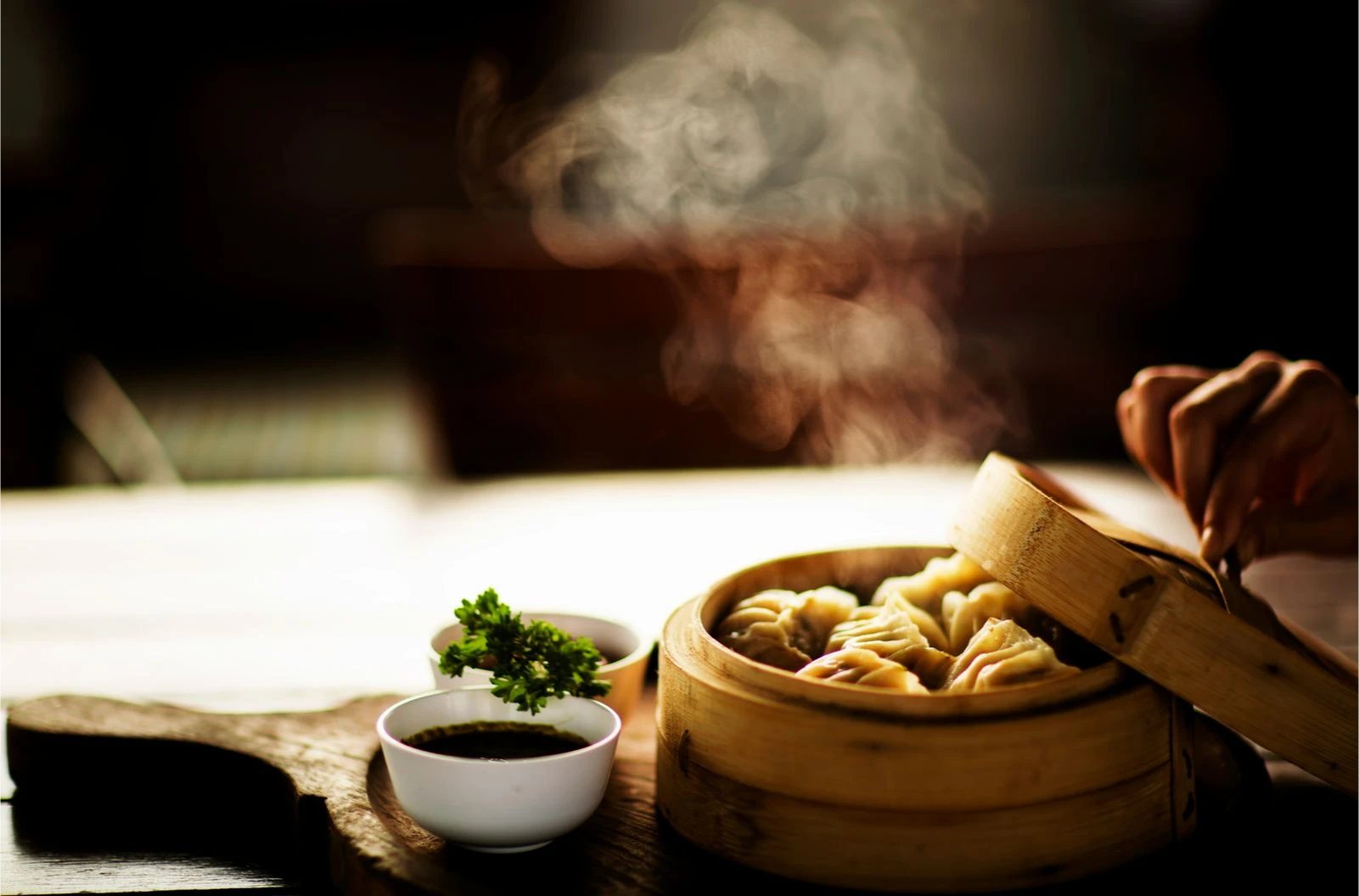
Har Gow (蝦餃), or shrimp dumplings, are one of the most iconic dishes in Cantonese Dim Sum culture. Recognized for their delicate translucent skin and juicy shrimp filling, these dumplings are considered a benchmark of a chef’s skill. Often referred to as the “crown jewel of Dim Sum,” Har Gow is not just food but a representation of Cantonese artistry and culinary precision.


(4.0/5)
(4.0/5)
(4.0/5)
Price:
Price:
Price:
$5–$7 (₹400–₹600) per basket
$5–$7 (₹400–₹600) per basket
$5–$7 (₹400–₹600) per basket
Available
Available
Available
Origins
Key Ingredients
Taste and Experience
Preparation Method
Cultural Importance
The history of Har Gow dates back to the early 20th century in Guangzhou (Canton), the heartland of Dim Sum culture. It is believed to have originated in teahouses near the Pearl River, where shrimp was plentiful. Local chefs wanted to showcase the freshness of seafood in a refined and elegant way. The dish quickly became a favorite during yum cha (tea drinking sessions), symbolizing prosperity and joy, since the word for shrimp (haa in Cantonese) sounds like laughter. Over time, Har Gow became a staple in every Dim Sum restaurant and was elevated to one of the “Four Heavenly Kings of Dim Sum” (alongside Siu Mai, BBQ Pork Buns, and Egg Tarts).
Origins
Key Ingredients
Taste and Experience
Preparation Method
Cultural Importance
The history of Har Gow dates back to the early 20th century in Guangzhou (Canton), the heartland of Dim Sum culture. It is believed to have originated in teahouses near the Pearl River, where shrimp was plentiful. Local chefs wanted to showcase the freshness of seafood in a refined and elegant way. The dish quickly became a favorite during yum cha (tea drinking sessions), symbolizing prosperity and joy, since the word for shrimp (haa in Cantonese) sounds like laughter. Over time, Har Gow became a staple in every Dim Sum restaurant and was elevated to one of the “Four Heavenly Kings of Dim Sum” (alongside Siu Mai, BBQ Pork Buns, and Egg Tarts).
Origins
Key Ingredients
Taste and Experience
Preparation Method
Cultural Importance
The history of Har Gow dates back to the early 20th century in Guangzhou (Canton), the heartland of Dim Sum culture. It is believed to have originated in teahouses near the Pearl River, where shrimp was plentiful. Local chefs wanted to showcase the freshness of seafood in a refined and elegant way. The dish quickly became a favorite during yum cha (tea drinking sessions), symbolizing prosperity and joy, since the word for shrimp (haa in Cantonese) sounds like laughter. Over time, Har Gow became a staple in every Dim Sum restaurant and was elevated to one of the “Four Heavenly Kings of Dim Sum” (alongside Siu Mai, BBQ Pork Buns, and Egg Tarts).

Planning a visit to Spice Platter is easy and hassle-free. We’re proudly located on Silk St., Barbican, London, right in the heart of the city, with convenient parking nearby and excellent public transport connections.
Quick Links


Follow Us


Planning a visit to Spice Platter is easy and hassle-free. We’re proudly located on Silk St., Barbican, London, right in the heart of the city, with convenient parking nearby and excellent public transport connections.
Quick Links
Follow Us
Planning a visit to Spice Platter is easy and hassle-free. We’re proudly located on Silk St., Barbican, London, right in the heart of the city, with convenient parking nearby and excellent public transport connections.
Quick Links
Follow Us
© 2025 Bennie Restuarant & Bar. Technology by Protocloud Technologies Pvt. Ltd.
© 2025 Bennie Restuarant & Bar. Technology by Protocloud Technologies Pvt. Ltd.
© 2025 Bennie Restuarant & Bar. Technology by Protocloud Technologies Pvt. Ltd.